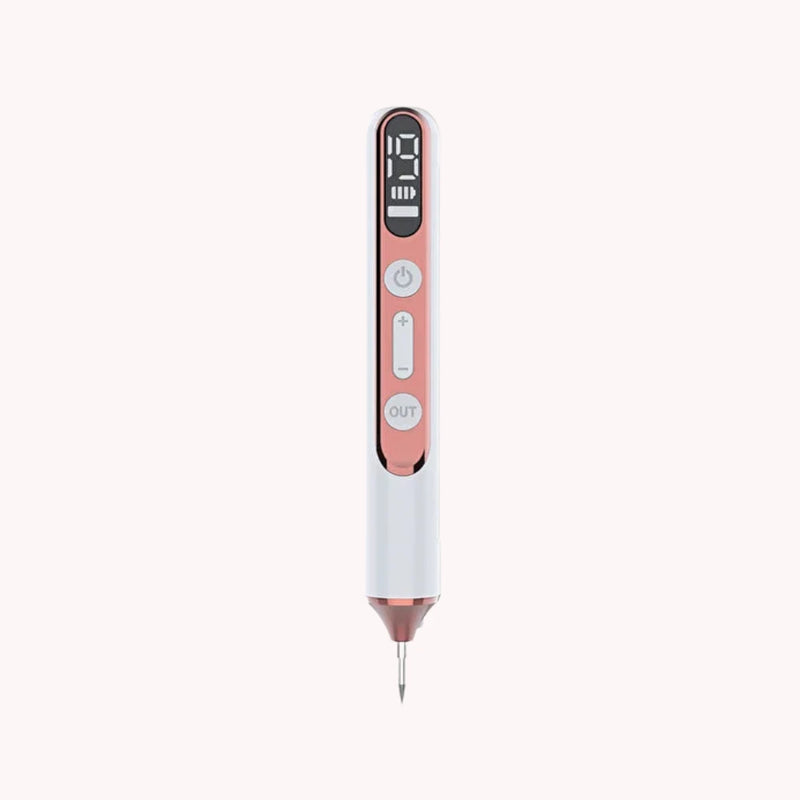
Plasma Laser Anti-Spot Pen

A handheld plasma-style beauty pen with 19 adjustable settings for small surface marks on the skin. It needs care and patience, so please read the safety guidance and have any spot or mole checked by your GP or a skin professional before you use it.

£39.99 £49.99 You save £10.00

Tax included.

  • 19 adjustable settings, so you can start at the lowest level
  • Precise tip for working on one small area at a time
  • Blue light function on the pen
  • Read the safety guidance and get marks checked before use

Buy more, save more. Mix and match anything, discount applied automatically.

Free UK delivery on every order.

In stock. Order today, shipment before 30/10/2026.

Tracked UK delivery
30-day money-back guarantee
Secure, encrypted checkout
  • American Express
  • Apple Pay
  • Diners Club
  • Discover
  • Google Pay
  • JCB
  • Mastercard
  • PayPal
  • Venmo
  • Visa
Overview

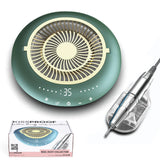
The Plasma Laser Anti-Spot Pen is a handheld plasma-style beauty device. Its tip creates a tiny plasma arc just above the skin's surface, which works on the very top layer of skin in one small, precise spot. A small scab usually forms afterwards and comes away on its own as the skin renews.

It has 19 adjustable settings so you can start at the lowest level and stay in control. Because it works on the surface of your skin, it carries real risks, including scarring and changes in skin colour. It's only for small, harmless surface marks that a GP, dermatologist or qualified skin professional has already checked.

Please read the manufacturer's instructions, the advice below and the Safety & use section before your first session.

  • Handheld plasma-style beauty pen
  • 19 adjustable settings
  • Precise tip for small, targeted areas
  • Blue light function
  • For adults only, after a professional has checked the mark
Specifications
Type
Handheld plasma-style beauty pen
Settings
19 adjustable levels
Level bands
1–6 low, 7–12 medium, 13–19 high
Extra function
Blue light
Plasma Laser Anti-Spot Pen
How to use
  1. 1
    Have the mark checked by your GP, a dermatologist or a qualified skin professional and make sure it's harmless and suitable for a cosmetic device.
  2. 2
    Clean and disinfect the area and the pen tip carefully before each use.
  3. 3
    Do a skin test on a small, discreet patch on the lowest setting, then wait several days to see how your skin settles and whether it changes colour.
  4. 4
    If the test went well, start on a low setting. Hold the pen steady and touch the mark only briefly with short, light contacts.
  5. 5
    Stop as soon as the surface of the mark changes. Don't go deeper or keep working on the same spot.
  6. 6
    Follow the aftercare steps until the area has fully settled.
Plasma Laser Anti-Spot Pen
Advice
  • Preliminary consultation: speak to a dermatologist or qualified healthcare professional before using the pen, especially if you have an existing skin condition, are pregnant or breastfeeding, or take any medication.
  • Cleaning and disinfection: clean and disinfect the area and the pen tip before each use to reduce the risk of infection.
  • Skin test: test a small, discreet area first to see how your skin reacts, and adjust the intensity if needed.
  • Do not use on: suspicious moles, cancerous skin lesions, infected or inflamed areas, mucous membranes, professional tattoos, or areas close to the eyes.
Safety & use

This pen works on the surface of your skin and is not suitable for everyone. Please read all of this before use.

Get it checked first

  • Before using the pen on any spot, mole, lump or mark, have it checked by your GP, a dermatologist or a qualified skin professional. Never use it on a mark that hasn't been looked at.
  • See your GP promptly about any mole or mark that is new, changing in size, shape or colour, itchy, bleeding or crusting. These need medical assessment, not a beauty device.

Risks you should know about

  • Scarring: the pen works on the skin's surface and can leave a permanent scar or a pitted mark, especially at higher settings or if the area is worked on too long.
  • Pigmentation changes: the treated area can turn darker or lighter than the surrounding skin, and this can be long-lasting. The risk is higher on medium to dark skin tones and on tanned skin.
  • Infection: broken skin can become infected if the area or tip isn't clean, or if you pick the scab.
  • Redness, swelling, scabbing and tenderness are common after use and usually settle within a few days.

Do not use

  • On moles, suspicious marks, or any lesion that could be skin cancer.
  • On infected, inflamed, broken, sunburnt or irritated skin, or on mucous membranes such as the lips or inside the nose.
  • On tattoos or permanent make-up.
  • On or near the eyes or eyelids.
  • If you're pregnant or breastfeeding, have a pacemaker or implanted electronic device, have diabetes or a condition that affects how your skin repairs itself, bleed easily or take blood-thinning medicine, or are prone to keloid or raised scars.
  • On children or teenagers.
Aftercare
  • Keep the area clean and dry for the first few days.
  • Let the scab come away on its own. Don't pick, scratch or rub it.
  • Avoid make-up, perfumed products, exfoliants and active skincare on the area until it has fully settled.
  • Protect the area from the sun with a high-SPF sunscreen for several weeks afterwards, as new skin is more prone to darkening.
  • Don't use the pen on the same area again until the skin has completely settled.
  • See your GP or pharmacist if you notice increasing redness, heat, swelling, pus or pain, as these can be signs of infection.
Delivery & returns

Every order is packed within 1–2 working days and sent with a tracking number, so you can follow it all the way to your door. Delivery is free on every UK order.

30-day money-back guarantee: if you're not happy with your order, contact us within 30 days of purchase and we'll arrange a refund. See our refund policy for details.

Free UK delivery on every order
Get skin marks checked first
30-day money back
Replies within 24 hours
Before you buy

Have every mark checked first

This pen is only for small, harmless surface marks. Before you use it on any spot, mole or mark, have it checked by your GP, a dermatologist or a qualified skin professional. Never use it on a mole or on any mark that is new, changing, itchy or bleeding. Those need a doctor, not a beauty device.

Precise work on one tiny area
Targeted energy

Precise work on one tiny area

The tip creates a small plasma arc just above the skin, which works only on the very top layer of the spot you touch. That precision is what makes it suited to small surface marks rather than larger areas.

Because it works so precisely, technique matters. Short, light touches on the lowest setting that does the job are safer than longer contact or higher levels.

  • Precise tipLets you work on one small spot at a time.
  • Surface levelDesigned to work on the top layer of skin only.
  • Short contactsLight, brief touches give you more control.
  • You set the paceStop as soon as the surface changes.
19Adjustable settings
1–6Low settings, where to start
7–12Medium settings
13–19High settings, use with caution
How the skin settles afterwards
What to expect

How the skin settles afterwards

After use, the treated spot usually turns slightly red and forms a tiny scab. Over the following days, that scab dries and comes away on its own as the skin underneath renews.

Redness, slight swelling and tenderness are common and usually settle within a few days. How your skin looks afterwards varies from person to person, and there is a real risk of scarring or a change in skin colour, so patience and good aftercare matter.

  • Small scabForms over the spot and should be left to come away on its own.
  • Short-term rednessCommon, and usually settles within a few days.
  • Aftercare mattersClean, dry, protected from the sun and never picked.
Start low and go slowly
19 settings

Start low and go slowly

The settings are grouped into three bands. Everyone should start at level 1, including for the skin test.

LevelsIntensityOur advice
1–6LowStart here for your skin test and first sessions, and stay here if it does the job.
7–12MediumOnly move up a level at a time if a lower setting had no effect and your skin healed well.
13–19HighThe strongest output, with the highest risk of scarring and colour change. Not for the face or thin skin, and never for tattoos or moles.

Higher settings are not faster or better. Use the lowest setting that works and stop as soon as the surface changes.

A blue light function built in
Blue light

A blue light function built in

The pen also has a blue light function, which you can use to finish a session as part of a calm, careful routine.

It doesn't replace proper aftercare. Keep the area clean and dry, let any scab come away on its own and protect the skin from the sun while it settles.

  • Built-inThe blue light is part of the pen, so there's nothing extra to buy.
  • Gentle finishA calm last step at the end of a session.
  • Plus aftercareAlways follow the aftercare steps as well.
Use it carefully, step by step
Use it carefully, step by step, image 2
How to use

Use it carefully, step by step

Take your time. Rushing or using a high setting is the most common cause of problems.

  1. 1
    Get it checkedHave the mark looked at by your GP, a dermatologist or a qualified skin professional first.
  2. 2
    Clean everythingClean and disinfect the area and the pen tip before each use.
  3. 3
    Skin testTest a small, discreet patch on level 1 and wait several days to see how your skin settles.
  4. 4
    Start lowUse a low setting and touch the mark briefly with light, short contacts.
  5. 5
    Stop earlyStop as soon as the surface changes. Don't go over the same spot again.
  6. 6
    AftercareKeep it clean and dry, don't pick the scab and use high-SPF sunscreen.

Good to know: Never use it on moles, tattoos, broken or inflamed skin, mucous membranes or near the eyes.

Aftercare

Look after your skin afterwards

Good aftercare helps the skin settle and lowers the risk of marks and colour changes.

Keep it clean

Keep the area clean and dry for the first few days. Avoid soaking it.

Don't pick

Let the scab come away on its own. Picking raises the risk of scarring and infection.

Protect from the sun

Use a high-SPF sunscreen on the area for several weeks, as new skin can darken.

Keep it simple

Skip make-up, exfoliants, perfumed and active products on the area until it's settled.

Give it time

Don't go over the same area again until the skin has completely settled.

Know when to get help

See your GP or pharmacist if redness, heat, swelling or pain gets worse.

Is it right for you?

Who it's suitable for

Suitable for

  • Adults with small surface marks a professional has checked
  • People who are happy to do a skin test and wait
  • Anyone prepared to follow careful aftercare
  • Patient users who start on the lowest setting

Don't use, or speak to your GP first, if

  • The mark is a mole, or is new, changing, itchy or bleeding
  • You're pregnant or breastfeeding
  • You have diabetes, bleed easily or take blood thinners
  • You have medium to dark skin, which has a higher risk of colour change
  • You're prone to keloid or raised scars, or have a pacemaker
The details
Specifications

The details

Always read the manufacturer's instructions supplied with the pen before your first use.

Type
Handheld plasma-style beauty pen
Settings
19 adjustable levels
Low levels
1–6
Medium levels
7–12
High levels
13–19
Extra function
Blue light
Reviews

What customers say

Reviews from Kiss Proof customers, collected by Loox after delivery.

30-day money-back guarantee

Try it for 30 days, risk-free

If it isn't right for you, let us know within 30 days of purchase and we'll take care of it.

Add to bag
FAQ

Questions, answered

What is a plasma pen?
It's a handheld beauty device that creates a tiny plasma arc at its tip. The arc works on the very top layer of skin at one small spot, and a small scab usually forms and comes away on its own. It's a cosmetic device for small, harmless surface marks only.
Can I use it on a mole?
No. Please don't use it on moles. Any mole or mark that is new, changing in size, shape or colour, itchy or bleeding needs to be checked by your GP, because only a medical professional can tell you whether it's harmless. A beauty device is never the right first step for a mole.
Do I need to see a professional before using it?
Yes. Have any spot or mark checked by your GP, a dermatologist or a qualified skin professional before you use the pen on it. Also check with them first if you have a skin condition, take medication, or are pregnant or breastfeeding.
Can it cause scarring?
Yes, it can. Because it works on the surface of the skin, there's a risk of permanent scarring, pitting or a raised scar, especially at higher settings or if you work on the same spot too long. Start on the lowest setting, use short contacts and never pick the scab.
Can it change my skin colour?
Yes. The treated area can end up darker or lighter than the skin around it, and this can be long-lasting. The risk is higher on medium to dark skin tones and on tanned skin. Protect the area from the sun while it settles, and speak to a skin professional first if you're concerned.
Does it hurt?
Most people feel a slight tingling or warming at the spot. How it feels varies from person to person and with the setting you use. Stop if it becomes painful, and don't push to a higher level to get a quicker result.
What side effects are normal?
Redness, slight swelling, scabbing and tenderness at the treated spot are common and usually settle within a few days. If the area becomes hotter, more swollen or painful, or you see pus, see your GP or pharmacist, as it may be infected.
How do I look after my skin afterwards?
Keep the area clean and dry, let the scab come away on its own and don't pick it. Avoid make-up and active skincare on the spot until it has settled, and use a high-SPF sunscreen for several weeks. Don't go over the same area again until it has fully settled.
Can I use it on tattoos?
No. Please don't use the pen on tattoos or permanent make-up. Tattoo removal should only be done by a qualified professional, and the pen's higher settings carry a real risk of scarring and colour change on tattooed skin. Speak to a specialist clinic if you want a tattoo removed.
Which setting should I use?
Always start on level 1, including for your skin test. Only move up one level at a time if a lower setting had no effect and your skin settled well. The highest settings carry the most risk and aren't for the face or thin skin.
Can I use it near my eyes?
No. Don't use it on or near your eyes or eyelids, or on mucous membranes such as the lips or the inside of the nose. The skin in these areas is very thin and the risk of injury is too high.

Still have a question? Email support@kissproof.co.uk or call +44 20 3376 2450.

Precise, careful and in your control

The plasma pen.Now £39.99.

Add to my bag Free UK delivery · 30-day money-back guarantee · Buy 2, save 15%